AI Digest — July 9, 2026, 8 PM
Quick Notes
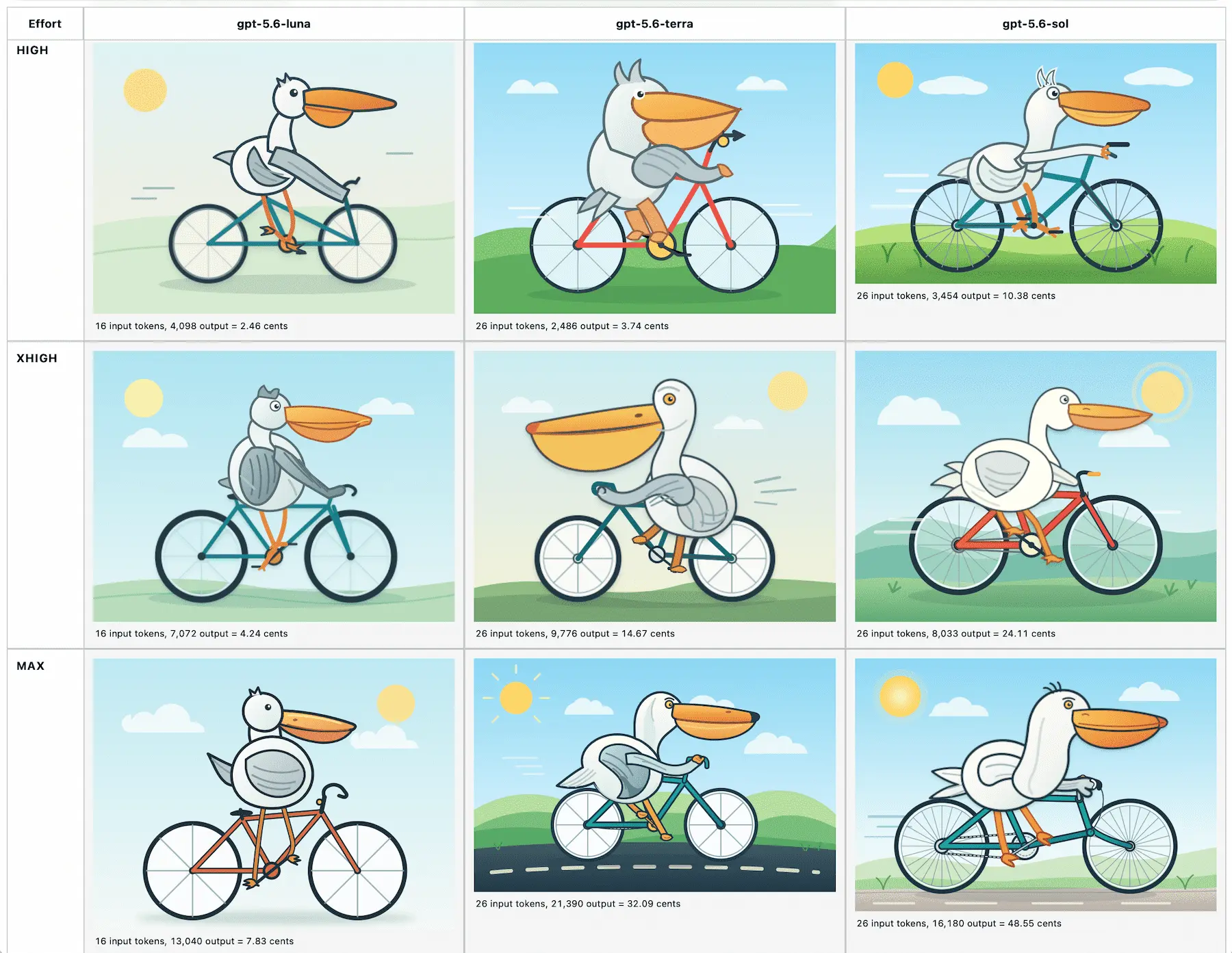
- OpenAI’s GPT-5.6 family (Luna, Terra, Sol) hit general availability with pricing from $1-5 input / $6-30 output per 1M tokens; Luna beats Claude Fable 5 on Agents’ Last Exam at around one-sixteenth the cost despite SWE-Bench Pro results where Fable 5 got 80% vs GPT-5.6 Sol getting 64.6%. https://simonwillison.net/2026/Jul/9/gpt-5-6/#atom-everything
- Meta’s Muse Spark 1.1 is the first Spark model to offer an API, claiming significant improvements in agentic tool calling and computer use with two copies of the model talking via “Attractor States in Self-Conversation.” https://simonwillison.net/2026/Jul/9/muse-spark-1-1/#atom-everything
- The new llm-meta-ai plugin provides CLI and Python library access to Muse Spark 1.1 as an unofficial API into the model for preview users during access which was long enough to put together a plugin. https://simonwillison.net/2026/Jul/9/llm-meta-ai/#atom-everything
- A bug came up when testing llm-meta-ai that got posted as a beat by Simon Willison related to the plugin functionality for Muse Spark 1.1 access during preview period. https://simonwillison.net/2026/Jul/9/llm/#atom-everything
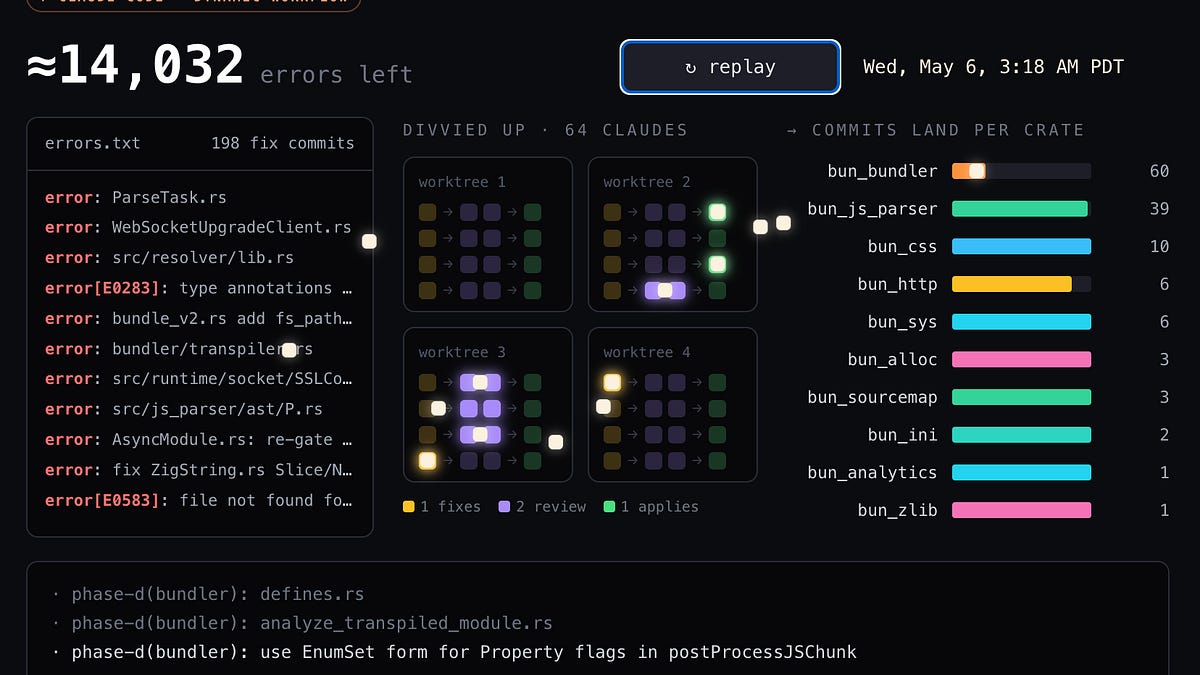
- The Pulse episode covers events and trends in Big Tech including Bun’s Rust rewrite with Fable reducing a 1-2 year migration to 11 days despite $165K costs to migrate JavaScript runtime from Zig to Rust with detailed post by creator Jarred Sumner. https://newsletter.pragmaticengineer.com/p/the-pulse-what-can-we-learn-from
- YouTube video “There’s hope in hard questions” explores whether AI can be trusted, who hits the brakes on development, ensuring benefits for the majority, job displacement meaning, why we need this stuff, machines pretending to care better than humans drawing lines, helping people feel understood and build community connections, being a better teacher or mom, curing great things beyond current understanding, asking more questions, becoming more human again while keeping life’s most beautiful parts. https://www.youtube.com/watch?v=jVbGX7zJHi8
- Five open source repos fix Claude Code’s weak spots: Claude Video from Brad Automates watches video with transcript plus intelligently pulled frames instead of just transcripts or janky Gemini API routing; NotebookLM-PI drops NotebookLM inside Claude Code as CLI tool offloading research synthesis to free Gemini calls for YouTube videos and generating slide decks/podcasts; Graphify builds knowledge graphs from codebases breaking everything into nodes then clustering them. https://chaseai.io/blog/open-source-repos-fix-claude-code
- The AI Daily Brief podcast/video covers how open weight model access restrictions change the landscape with headlines on all current models including Fable offline GPT 5.6 Soul Terra Luna announcements during Fable period plus early tester impressions from Pietro Schirano calling 5.6 execution beast and Ali K Miller’s conclusion that Sonnet 3.7 ended bad writing tolerance while 5.6 era ends bad execution tolerance with Magic Path CEO saying it’s the best model ever for fast smart creative front-end design. https://www.youtube.com/watch?v=kpGZ83XqDqA
Structured Summaries
New Models & Releases
OpenAI announced GPT-5.6 family with Luna, Terra, and Sol sizes hitting general availability Thursday morning with February 16th 2026 knowledge cutoff and million token context windows; pricing per 1M tokens ranges from Luna $1 input/$6 output to Terra $2.50 input/$15 output to Sol $5 input/$30 output compared to Claude Opus at $5/$25 and Fable 5 at $10/$50 with Luna showing best efficiency on Agents’ Last Exam benchmark beating adapted reasoning Fable 5 by 13.1 points versus one-sixteenth the cost while claiming ~30% of SWE-bench Pro tasks are broken explaining Sol’s lower 64.6% score versus Fable 5’s 80%. Meta released Muse Spark 1.1 as first Spark model with API access, the first release since April offering agentic tool calling and computer use improvements with Attractor States in Self-Conversation feature where two model copies conversing produce statements like existing by design until spoken to then disappearing after interaction.
Sources: https://simonwillison.net/2026/Jul/9/gpt-5-6/#atom-everything https://simonwillison.net/2026/Jul/9/muse-spark-1-1/#atom-everything
Research Insights
The AI Daily Brief exploration of open weight model access restrictions shows early impressions from testers like Ali K Miller calling GPT-5.6 executive beast rather than just right name considering leap felt, concluding Sonnet 3.7 ended tolerance for bad writing while Fable 5 and GPT-5.6 end tolerance for bad execution or slow bug fixes; Magic Path CEO Pietro Schirano describes best model ever after months of testing as fast capable creative with fixed front-end design eliminating need to review code written in two months, alongside OpenAI claiming agents on benchmark outperforming Fable 5 adaptive reasoning by 13.1 points with smaller models running at one-sixteenth cost while SWE-Bench Pro results may explain OpenAI publishing audit showing ~30% tasks broken and advising developers carefully examining results when interpreting benchmark performance from competing models. YouTube discussion on whether AI can be trusted explores philosophical questions about hitting brakes if needed, ensuring benefits for majority of people, meaning of work if automation takes most jobs, drawing lines if machines care better, helping people feel less misunderstood with community connections, being teacher or parent helper with cures beyond current understanding, asking more questions and becoming more human again while preserving life’s most beautiful parts as counterbalance to technological advancement.
Sources: https://www.youtube.com/watch?v=kpGZ83XqDqA https://www.youtube.com/watch?v=jVbGX7zJHi8
Tooling
Five open source tools address Claude Code weak spots in video viewing, research depth, knowledge graph memory, and token costs without additional bill or money: Claude Video from Brad Automates over 5,000 stars watches not generates with transcript plus intelligently pulled frames including mode-based frame grabs on Loom recordings routing audio through free Grok Whisper when no transcript exists; NotebookLM-PI operates as both skill and CLI effectively unofficial API into NotebookLM dropping the platform inside Claude Code handling Playwright browser automation invisibly, making YouTube videos seamless pairing with video tool for one topic synthesis on transcript-only feed while enabling slide decks/podcasts infographics generation from free Gemini calls though less powerful than Opus or Fable; Graphify builds knowledge graphs from codebases or document piles breaking into nodes then clustering them to enable rapid accurate question answering about huge codebase without spinning up dynamic deep-research workflows with hundred sub-agents burning ten million tokens. Bun’s Rust rewrite covered in The Pulse shows shortening 1-2 year migration down to 11 days opening amazing new opportunities despite $165K costs requiring thoroughly tested project, now resolved after US government export controls on Fable tool lifted for global availability enabling creator Jarred Sumner publisher of detailed post about migration from Zig to Rust.
Sources: https://chaseai.io/blog/open-source-repos-fix-claude-code https://newsletter.pragmaticengineer.com/p/the-pulse-what-can-we-learn-from
Sources: https://simonwillison.net/2026/Jul/9/gpt-5-6/#atom-everything · https://simonwillison.net/2026/Jul/9/muse-spark-1-1/#atom-everything · https://simonwillison.net/2026/Jul/9/llm-meta-ai/#atom-everything · https://simonwillison.net/2026/Jul/9/llm/#atom-everything · https://newsletter.pragmaticengineer.com/p/the-pulse-what-can-we-learn-from · https://www.youtube.com/watch?v=jVbGX7zJHi8 · https://chaseai.io/blog/open-source-repos-fix-claude-code · https://www.youtube.com/watch?v=kpGZ83XqDqA
🔗 View this digest on the web: https://ai-digest-b7u.pages.dev/digests/2026-07-09-evening/